

 How dangerous is mold and how important is indoor air quality in a home? We all know it is important to eat right, drink plenty of water to keep the body hydrated, get regular exercise, and get enough sleep every night But most people don’t do much to make sure the indoor air quality of their homes is safe to breath night and day. The importance of the indoor air quality in our homes has been highlighted by stories of near death experiences by people living in homes with excessive mold, although for the vast majority of us, the symptoms are less dangerous.
I learned many years ago about the dangers of mold and how it effects all of us differently. In a case I litigated involving seller misrepresentation because of dangerous levels of mold, my Seattle expert testified that each person’s body reacts differently to high levels of moisture and mold in a home. Most do not notice, many do not have any symptoms, some have minor issues they never really connect with indoor air quality. But the few have repeated health issues and problems. Numerous visits to doctors, various prescriptions, and all kinds of guessing by doctors often produces little or no relief. When there is a mold problem in a home and serious continuous health issues, very few people ever connect the dots.
Molds typically grow in homes that have excessively high moisture, which can come from a variety of sources. Potential health problems including asthma, sinusitis, and infections. People sensitive to molds are particularly uncomfortable on cloudy, rainy, damp days. Molds may also play a major role in in many related illnesses. Allergic reactions can be caused by molds. The most reliable physical findings of mold allergy are dyshidrotic eczema, accompanied by tiny blisters on the palms of the hands. Other symptoms are nummular eczema that looks like ringworm.
Approximately 25 to 30 years ago, many homes were built boasting about how air tight they were, and how much money they would save owners on the heat bills or the air conditioning bills. Shortly after these “good cents” homes were built around the country, it was discovered that they were so tight without proper indoor and outdoor air circulation that mold was growing inside the walls and throughout the houses, creating some of the most polluted air a person would breath in a 24 hour period.
Not all home builders give air quality the highest regard, which not only means paying attention to the home design and materials being used in a home, but also working with heating contractors to make sure that that there will be a good air exchange system that will operate automatically for the homeowner 24/7. If you are having a home built, talk with your homebuilder about what he does to be sure that your home design and heating and circulation system will not only be efficient but healthy. Don’t accept simple answers that any salesman could learn to give. Dig deeper. Do your due diligence. It’s not just your money–it’s your health.
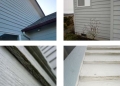
There are some obvious physical signs of excessive moisture that should be red flags for you. Here are a few:
- apparent mold build-up on windows, especially around the edges in the seams and wood;
- water stains on the window sills;
- moldly spots on sheetrock behind sofas, behind or around toilets, showers, and wash machines; and
- in basement areas where the smells given off by molds are most apparent.
Just because you don’t have the obvious physical signs of mold does not mean you have good air quality. If you are concerned about mold exposure, laboratory tests are available. A simple at-home test allows you to detect the presence of mold through an easy to use petri dish collection process, but this kind of complicated testing should be performed by a licensed and clinically certified laboratory. One word of caution: air samplings may not indicate mold spores, especially those that are not airborne and molds that are dead – which are just as toxic as live molds.
Here are some great mold prevention tips Better Health USA:
Important: Always follow instructions of commercial cleaning products and wear an approved mask if you are sensitive to chemicals.
- Use a dehumidifier in damp areas (above 50% humidity) of your home. Change the water frequently in the dehumidifier and disinfect to prevent mold from forming.
- Peform diligent housekeeping, clean with a solution of hot soapy water and 20 Mule Team Borax or bleach (if the item is colorfast). Use gloves and wear a mask to limit your exposure to chemicals.
- Dry and/or replace water damaged areas and items within 24-48 hours to prevent mold growth.
- Look for mold or mildew in attics, basements, closets, bathrooms, dirty clothes, hampers, garbage cans and children’s soiled stuffed toys.
- Check the insides of shoes for mold and scrub and dry thoroughly in the sun if possible.
- Try to improve air circulation in the attic, basement, closets and bathroom.
- Wipe down the refrigerator and freezer door seals. Clean the refigerator often throwing away left-overs and old produce.
- Dry damp areas in the kitchen, laundry room, under the kitchen sink and under the lid of the washing machine.
- Clean the lint filter after each load in the dryer.
- Clean and/or replace air conditioner filters periodically.
- Clean ceiling fans once per month.
- If closets are damp, keep the light on to prevent the growth of mold and mildew.
- Wash pillows and blankets often. Note: Feather pillows are not recommended for feather-allergic individuals! Hypo-allergenic pillows are available.
- Outside, have fallen leaves, decaying plants and compost heaps removed.
More information on molds may be found at EPA’s website, Indoor Air – Molds
In Sequim and Port Angeles, your health conscious homebuilder (and green builder) is RickAndersonHomes.com.
Last Updated on June 6, 2024 by Chuck Marunde





























In winter, the air needs to be moist, but the moist air will breed bacterial growth. Because my home bathroom drainage is bad, I found growth in the bathroom behind the toilet and sink. Until now I did not know how harmful mold could be.
I hate mold, makes me sneeze! Excellent post.
About air we breathe, I want to tell you that it also affects our gut flora, an important component of living cells which will give us a lot of health! I am a pharmacist and a passion to write articles on human health, especially on the usefulness that the lactic acid bacteria that make up our bacterial flora! Alberto
Yes I had some mold in my house back year ago and I am fortunate that I didn’t get sick.. Although I never had the air tested you can imagine what was in it.
Really this is an important post for all of us and we all must take it seriously. As we all have kids in our home and we want to give them a healthy life and having some problem in house that relates to air and its quality is not a good thing and it can cause some serious damage to our health. Thanks for posting and sharing it.